


Autumn pet toxins Education, prevention, and signs of exposure


Scroll for more articles!

Autumn pet toxins: Education, prevention, and signs of exposure

When the seasons change, so does the risk of pets encountering certain toxins. In this seasonal series, AAHA has collaborated with Renee Schmid, DVM, DABT, DABVT, of Pet Poison Helpline, to identify some of the common pet poisons veterinarians encounter with their clients. Here's what to watch for this autumn.

This story may land in your inbox when you subscribe below.

Subscribe to Trendsetter today

Trendsetter provides timely perspectives on the art and business of companion animal veterinary practice to all members of the practice team.

In the Spotlight

Just a sample of the stories that will be delivered to your inbox with Trendsetter.


Anesthesia machine in surgical suite

Anesthesia component cleaning considerations: Soak, hang, swing, toss

No definitive protocols exist for the cleaning of veterinary anesthesia components such as breathing circuits and reservoir bags, mainly because most are manufactured to be single-use only. Deciding which course of action your practice will take requires evaluating the limited available evidence on risk of cross-contamination and the feasibility of cleaning methods for your team.


Lorazepam reduces the risk of recurrent urethral obstruction in male cats

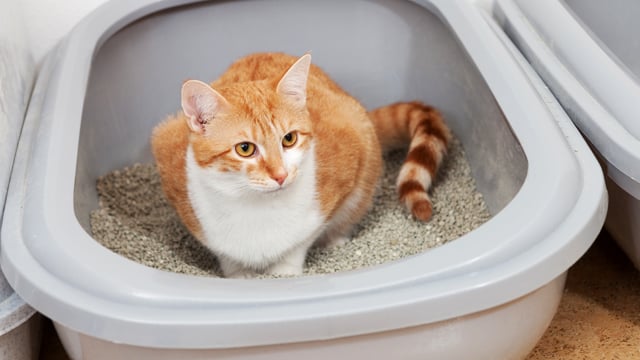
Lorazepam reduces the risk of recurrent urethral obstruction in male cats

Feline urethral obstruction is a painful and devastating condition for male cats that comes with a significant risk of re-obstruction at any point after treatment.  Researchers now have evidence to suggest that Lorazepam, a skeletal muscle relaxant, can effectively reduce the risk of re-blocking in cats who have already been blocked once.


French bulldog intubated with surgeon

Anesthetic considerations for brachycephalic dog breeds

Anesthesia in brachycephalic dogs present unique challenges due to their predisposition to airway obstruction, stress-related complications, and higher risks of aspiration. Read on for expert tips on ways to mitigate risks and prioritize patient safety.


light colored chihuahua on bed

Beyond the snapshot: A new framework for assessing dog bite risk

Assessing dog bite risk has, historically, been done using a “point-in-time” approach, judging a dog’s behavior in an unfamiliar environment without considering how that behavior might differ in a home setting or how well a family might be prepared to manage that risk.

A new approach, informed by human forensic psychology, may provide veterinary professionals, behaviorists, and caregivers alike with objective tools they can use to understand, assess, and potentially manage individual dogs’ bite risk.

Settle in for a deep dive into what studies show could be a more objective way to assess bite risk, as well as the role veterinary professionals can play in mitigating risk and educating clients.

Subscribe to Trendsetter today